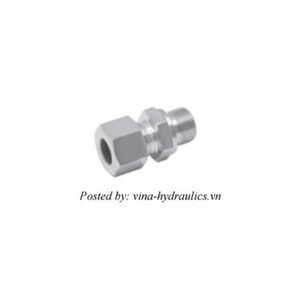
Khớp nối nhanh là gì và làm thế nào để lựa chọn nó?

Trong các hệ thống thủy lực và khí nén hiện đại, việc tối ưu hóa thời gian vận hành và đảm bảo an toàn là ưu tiên hàng đầu. Khớp nối nhanh (Quick Coupling) chính là giải pháp then chốt giúp kết nối hoặc ngắt kết nối các đường ống dẫn chất lỏng/khí một cách tức thì.

Hãy cùng VHE thông qua bài viết dưới đây để hiểu rõ bản chất của khớp nối nhanh và các tiêu chí kỹ thuật quan trọng để lựa chọn sản phẩm phù hợp nhất cho hệ thống của mình.
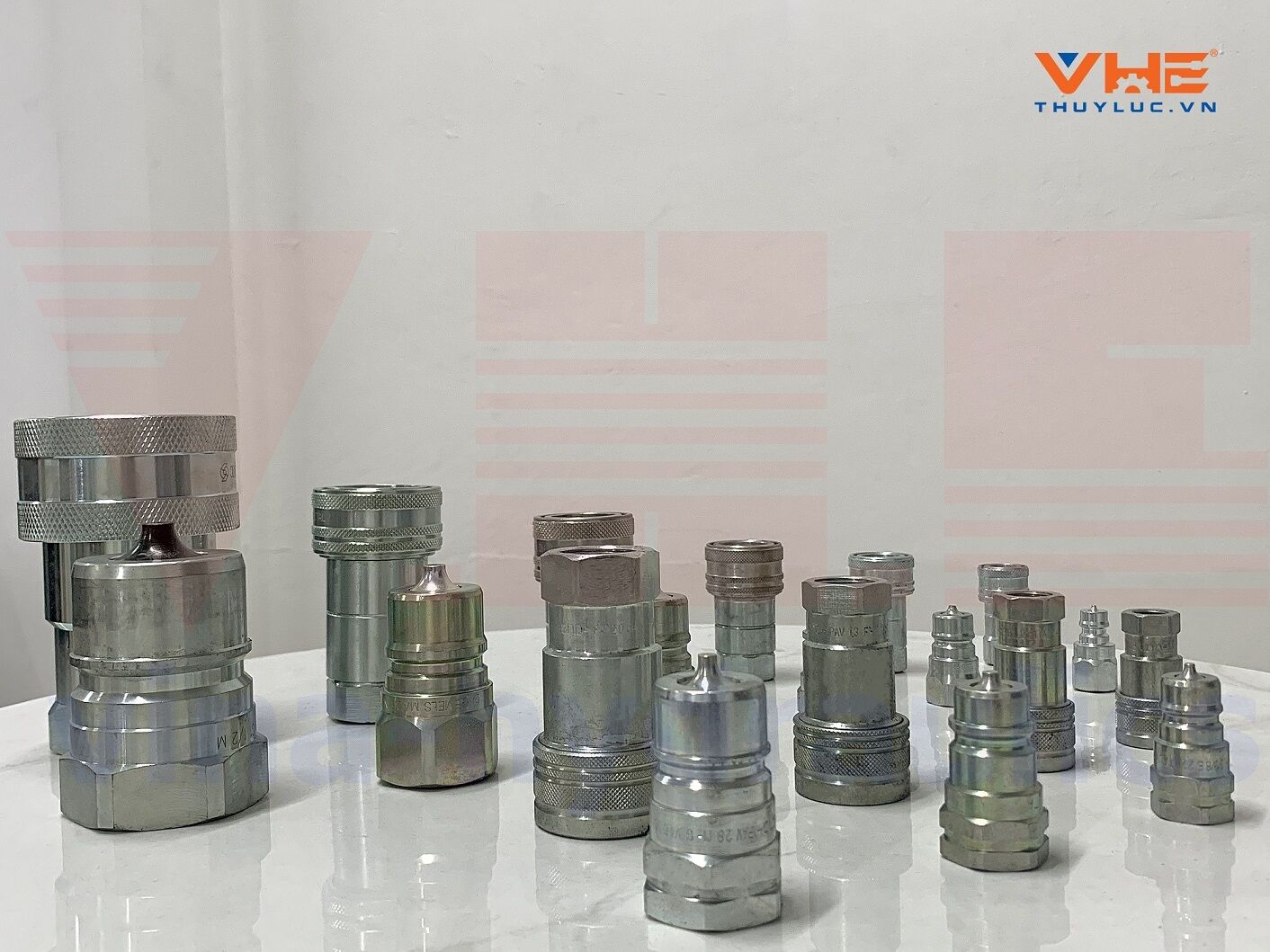
Khớp-nối-nhanh-Gemels,-DNP-chính-hãng-giá-cạnh-tranh-tại-Sài-Gòn

1. Khớp nối nhanh là gì?

Khớp nối nhanh (tên tiếng Anh là Quick Coupling hoặc Quick Disconnect) là một phụ kiện cơ khí được thiết kế để kết nối hoặc tách rời các đường dẫn chất lỏng/khí một cách nhanh chóng và dễ dàng mà không cần sử dụng dụng cụ hỗ trợ (như cờ lê, mỏ lết) và không làm thất thoát lưu chất.

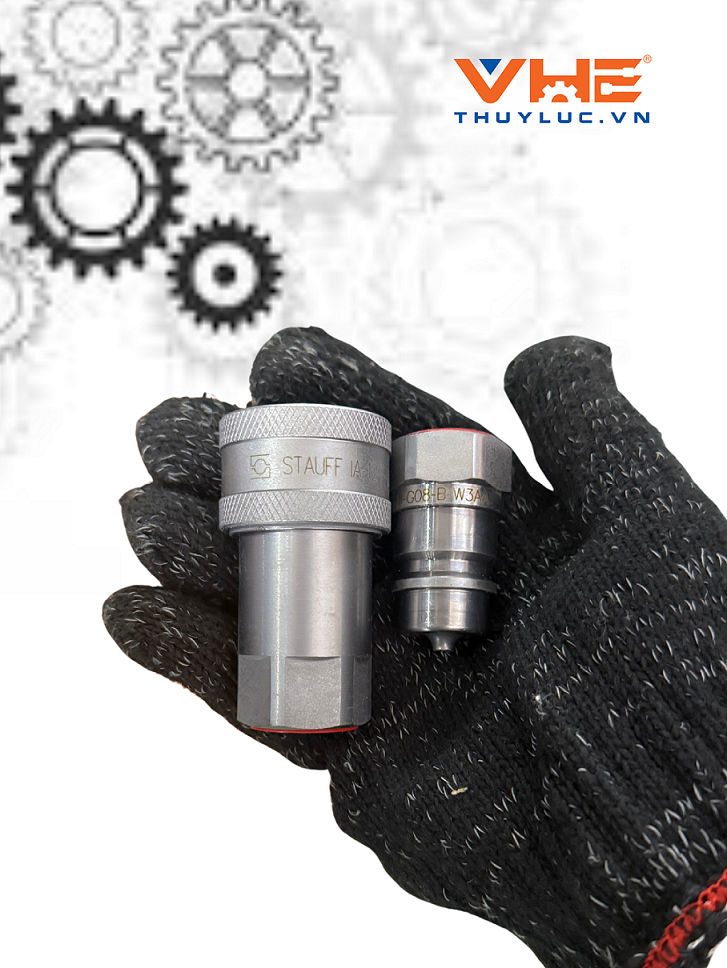
Một bộ khớp nối nhanh tiêu chuẩn sẽ bao gồm hai phần:

+ Phần đực (Male - Plug/Nipple): Đầu cắm.

+ Phần cái (Female - Socket/Coupler): Đầu nhận, thường chứa cơ chế khóa (bi thép hoặc ren).

2. Tại sao cần sử dụng khớp nối nhanh?

- Tiết kiệm thời gian: Thao tác tháo lắp chỉ mất vài giây, thay vì hàng phút như các mối nối ren truyền thống,  tăng hiệu suất làm việc.

- Ngăn ngừa rò rỉ: Các loại khớp nối có van tự động đóng lại khi tháo rời, giúp giữ lại chất lỏng trong đường ống, bảo vệ môi trường và tiết kiệm chi phí.

- Đảm bảo an toàn: Giảm thiểu rủi ro tai nạn do áp suất cao khi tháo lắp thủ công.

3. Hướng dẫn cách lựa chọn khớp nối nhanh phù hợp

Để lựa chọn được khớp nối nhanh phù hợp và bền bỉ, bạn cần căn cứ vào các yếu tố kỹ thuật sau đây dựa trên 5 tiêu chí:

Kích thước (Size)

Kích thước của khớp nối phải tương thích với lưu lượng dòng chảy cần thiết. Nếu chọn khớp quá nhỏ, áp suất sẽ bị sụt giảm mạnh (Pressure Drop), gây nóng máy và giảm hiệu suất. Ngược lại, khớp quá lớn sẽ gây lãng phí không gian và chi phí.

Nhiệt độ (Temperature)

Nhiệt độ ảnh hưởng trực tiếp đến độ bền của các vòng đệm (O-ring) bên trong.

+ Gioăng NBR (Buna-N): Phù hợp nhiệt độ từ -20°C đến 100°C.

+ Gioăng Viton (FKM): Chịu nhiệt tốt hơn, lên đến 200°C và chịu được hóa chất mạnh.

Ứng dụng (Application)

- Bạn cần xác định môi trường làm việc:

- Hệ thống có rung động mạnh không?

- Có thường xuyên phải tháo lắp dưới áp suất không?

- Môi trường có tính ăn mòn cao (như nước biển, hóa chất) không?

Vật liệu chế tạo (Material)

- Thép Carbon: Giá thành rẻ, chịu áp cao, dùng phổ biến trong thủy lực.

- Đồng (Brass): Chống ăn mòn tốt, thường dùng cho khí nén hoặc nước.

- Inox (304 hoặc 316): Lựa chọn tốt nhất cho thực phẩm, hóa chất và môi trường khắc nghiệt.

Áp suất (Pressure)

- Áp suất làm việc (Working Pressure): Áp suất tối đa mà khớp nối có thể chịu đựng liên tục.

- Áp suất nổ (Burst Pressure): Ngưỡng áp suất gây phá hủy hoàn toàn khớp nối. Thông thường, áp suất làm việc chỉ nên bằng 1/4 áp suất nổ để đảm bảo an toàn.

4. Mua khớp nối nhanh uy tín tại đâu?

Việc lựa chọn sai khớp nối nhanh không chỉ gây lãng phí mà còn tiềm ẩn nguy cơ cháy nổ, hư hỏng hệ thống. Công ty Cổ phần Thiết bị Thủy lực Việt Nam tự hào là đơn vị cung cấp các dòng khớp nối nhanh chất lượng cao, nhập khẩu chính hãng, đáp ứng đầy đủ các tiêu chuẩn quốc tế khắc nghiệt. 

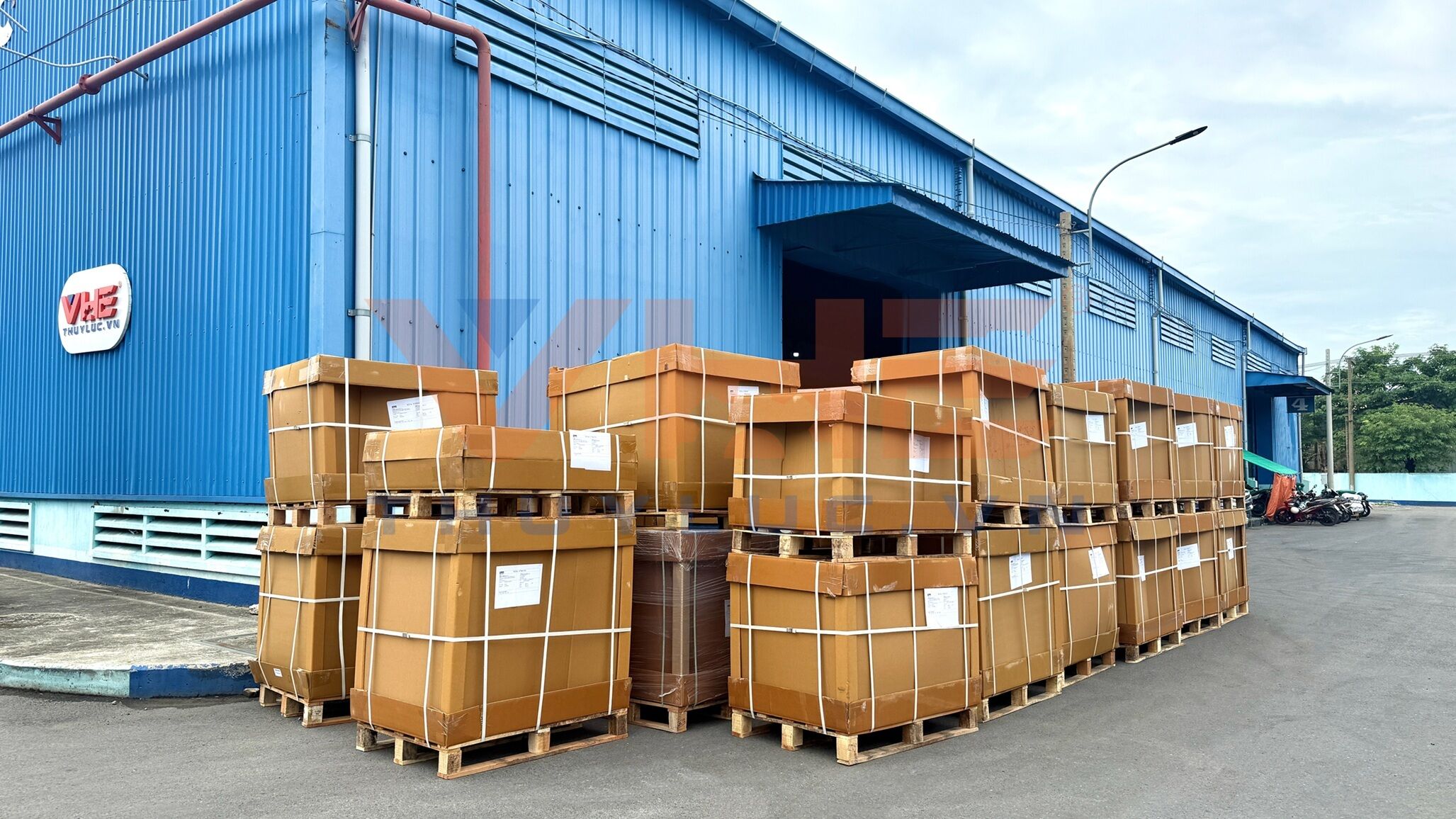
Vừa qua, Công ty Cổ Phần Thiết Bị Thủy Lực Việt Nam vừa nhập hơn 300 bộ khớp nối nhanh Stauff cho nhà máy dầu khí và hóa chất.

Khớp nối nhanh Stauff (Quick Coupling)

Thông tin kỹ thuật:

- Chất liệu: Thép, mạ kẽm niken hoặc inox

- Góc côn: 24 độ

- Kiểu van: Mặt phẳng

- Xuất xứ: Đức
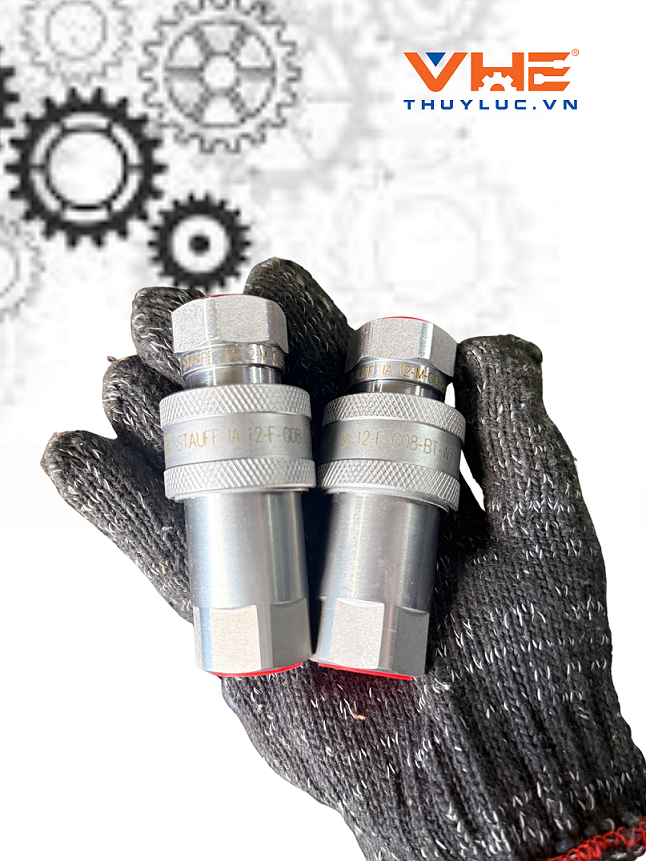
Khớp nối nhanh

Khớp nối nhanh chất lượng

Ứng dụng của Khớp nối nhanh

Khách hàng có nhu cầu mua khớp nối nhanh Stauff hãy liên hệ với VHE được tư vấn kỹ thuật chuyên sâu:

- Hỗ trợ tư vấn & Giải đáp thắc mắc: 0903 967 588 - 0903 067 588

- Email hỗ trợ: [email protected]

- Địa chỉ văn phòng: 31 Đường D20, Phường Phước Long, Thành phố Hồ Chí Minh, Việt Nam

- Địa chỉ kho xưởng HCM: Đường số 10, KCN Sóng Thần, Phường Dĩ An, Thành phố Hồ Chí Minh, Việt Nam.

- Địa chỉ kho xưởng HN: Km28, Quốc lộ 6A, Khu Công Nghiệp Đồng Đế, Xã Phú Nghĩa, Thành phố Hà Nội, Việt Nam.
XEM THÊM CÁC CÂU HỎI KHÁC

Aluminum vs. Plastic Pipe Clamps - Which is the Optimal Choice for the Marine Industry?

The marine and shipbuilding industries have always demanded rigorous international technical standards. On marine vessels and floating docks, hydraulic piping systems must withstand extremely harsh environments: continuous exposure to corrosive salt vapour, extreme temperature fluctuations, and severe vibrations from the engines. To secure these pipelines, DIN 3015 standard pipe clamps are essential. Currently, the two most popular materials for clamp

Xem tiếp ...

Stackable Clamps: The Space-Saving Solution for Complex Hydraulic Systems

In industrial plants, routing multiple seamless steel tubes (such as DIN 2391 or ASTM A213) for high-pressure fluid transmission consistently presents a significant challenge. Confined spaces often lead to cluttered layouts, increasing the inherent risk of connection fractures caused by continuous vibration. 

Stackable Clamps: The Space-Saving Solution for Complex Hydraulic Systems

To thoroughly address this issue, Heavy Series Stackable Clamps serve as the ultimate fastening solution, ensuring stable system

Xem tiếp ...

Construction to choose and install Light Series Pipe Clamps for tight spaces

Construction to choose and install Light Series Pipe Clamps for tight spaces

When installing a fixed piping system in manufacturing plants or outdoor hydraulic stations, installation space is often limited. Confined spaces and areas close to walls demand compact fastening solutions without compromising on load-bearing capacity. The optimal solution for these applications is the use of light series single hydraulic pipe clamps.

The article below will provide detailed technical specifications from the

Xem tiếp ...

Distinguishing between Heavy series and Light series Hydraulic pipe clamps

During the installation and maintenance of the hydraulic and pneumatic piping systems within industrial plants, selecting the correct pipe clamps is a decisive factor in minimizing vibration and ensuring structural support. Under the international DIN 3015 standard, pipe clamps are primarily categorized into two main lineups: the Light Series and the Heavy Series.

Therefore, what exactly sets these two series

Xem tiếp ...

What Are DIN 3015 Hydraulic Pipe Clamps? Why Are They Essential for Marine Factories?

What Are DIN 3015 Hydraulic Pipe Clamps? Why Are They Essential for Marine Factories?

1. The Hidden Risks of Pipeline Vibration Failures

In hydraulic systems within heavy industrial plants, oil rigs (Oil & Gas), or marine vessels (Marine), continuous fluctuations in pressure and flow rates generate extreme vibrations.
If only temporary or technically incorrect pipe fastening methods are used, the system will face severe consequences:

  • Cracking and bursting of oil pipelines.
  • Fluid leakage at
Xem tiếp ...

Common Flange Standards for Stainless Steel Flexible Metal Hoses

In industrial piping systems, stainless steel flexible joints play a core role in absorbing vibrations, compensating for thermal expansion, and protecting critical equipment. However, to ensure precise installation and safe operation, selecting the correct flange connection standard is vital. This article provides a comprehensive overview of the common flange standards currently used in the fabrication and welding of flexible joints.

Xem tiếp ...

How Does the Stainless Steel Braided Mesh Affect the Working Pressure of Metal Hoses?

In industrial piping system design, the corrugated metal hose is a core material for expansion compensation and vibration isolation. However, the corrugated core itself (U-Type, O-Type, or Spiral-Type) has a relatively thin wall, primarily responsible for providing flexibility and conveying media.

So, how can this pipeline withstand pressures up to hundreds of bars without deforming or bursting? The answer lies

Xem tiếp ...

Applications of Stainless Steel Flexible Hoses in Extreme Environments

In industrial piping system design, managing vibrations and installation misalignments under normal conditions is challenging enough; however, maintaining stability in the harshest environments presents an even more formidable challenge.

1. The Lifeline Piping Systems in Mega-Plants

Imagine a pipeline network transporting chemicals, thermal oil, or liquefied gases within power generation facilities or petrochemical refineries. This serves as the critical core

Xem tiếp ...

HỖ TRỢ TƯ VẤN MIỄN PHÍ

Nếu không tìm được thông tin cần thiết, vui lòng liên hệ với chúng tôi để được tư vấn miễn phí

Hotline tư vấn

(028) 3503 0349

0903 967 588 - 0903 067 588

[email protected]

hoặc để lại thông tin thông qua công cụ
TƯ VẤN HỖ TRỢ ngay bên dưới, chúng tôi sẽ phản hồi ngay khi nhận được thông tin